
How to Inset Skinny Strips into Curves
Posted on
This tutorial follows on from the one I posted on How to Inset Skinny Strips. The process is similar with some notable differences.
I made two or three blocks when preparing for this tutorial so you may notice a difference when viewing the photographs.
You will need the following:
Background fabric (I used a 16" x 16" square)
Skinny strips measuring 1" wide and cut on the bias
A standard foot for your sewing machine
A zipper foot
Fabric glue
A seam ripper
Feel free to modify the size of background fabric and bear in mind it doesn't have to be a square.
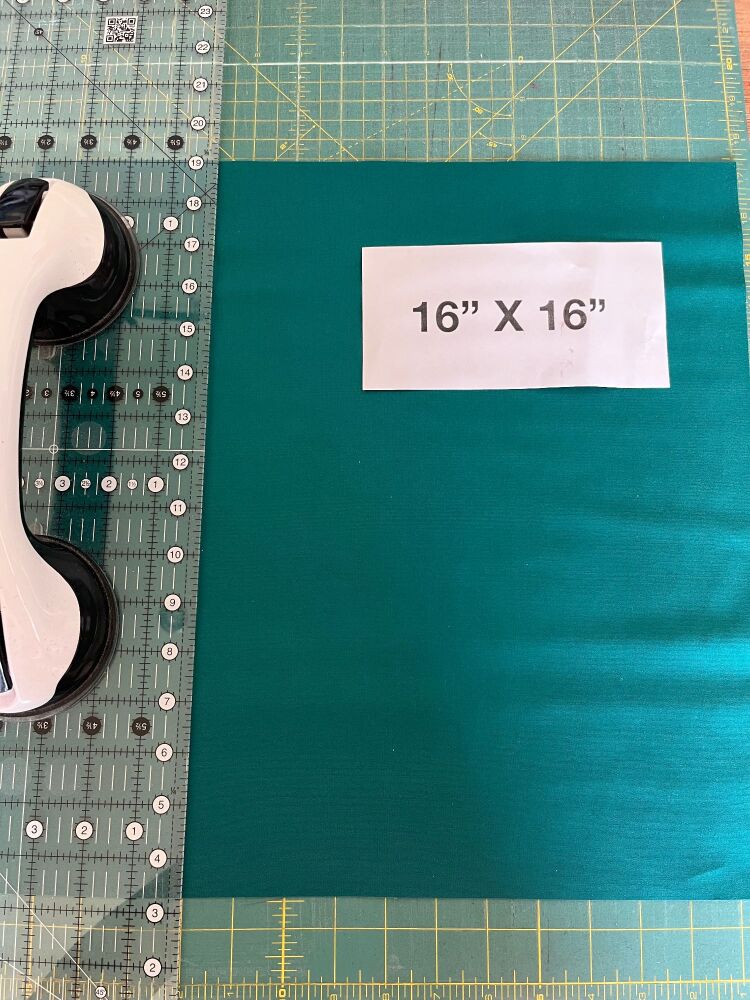
Press the background fabric and if you want use some spray starch.
Cut a curve. To begin with I recommend that you cut a gentle curve until you are comfortable with the process of sewing curves. Below are two photos: one showing gentle curves and the other showing a more defined curve.
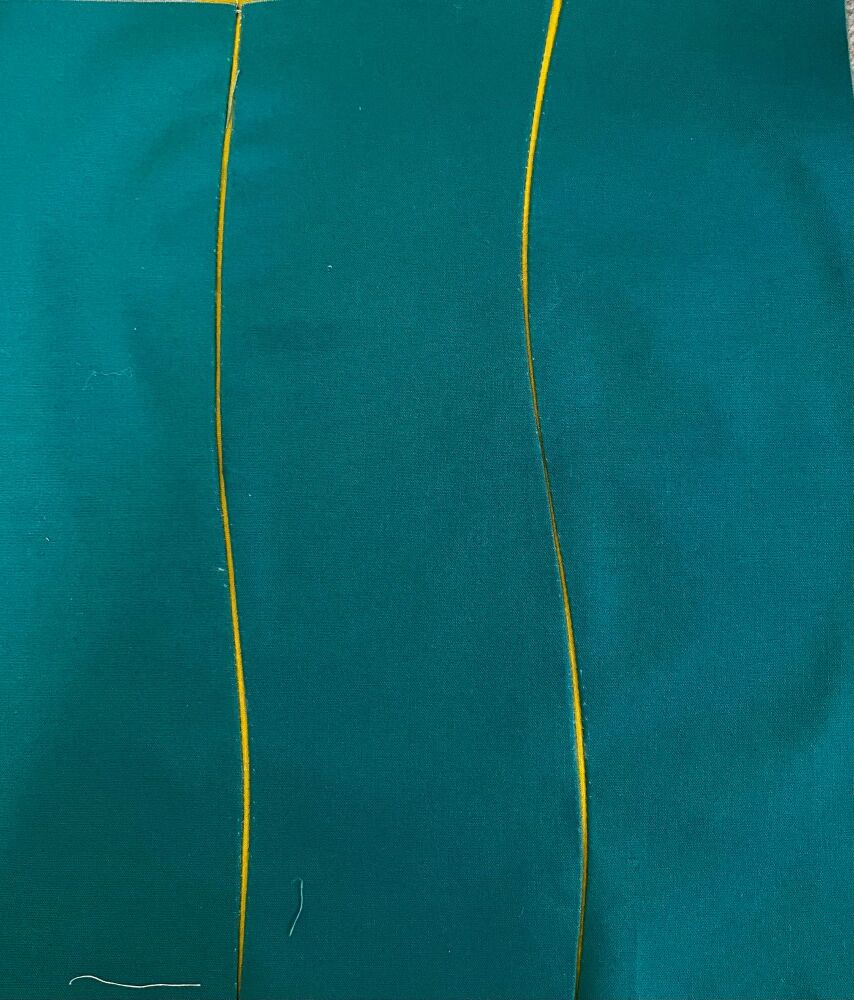
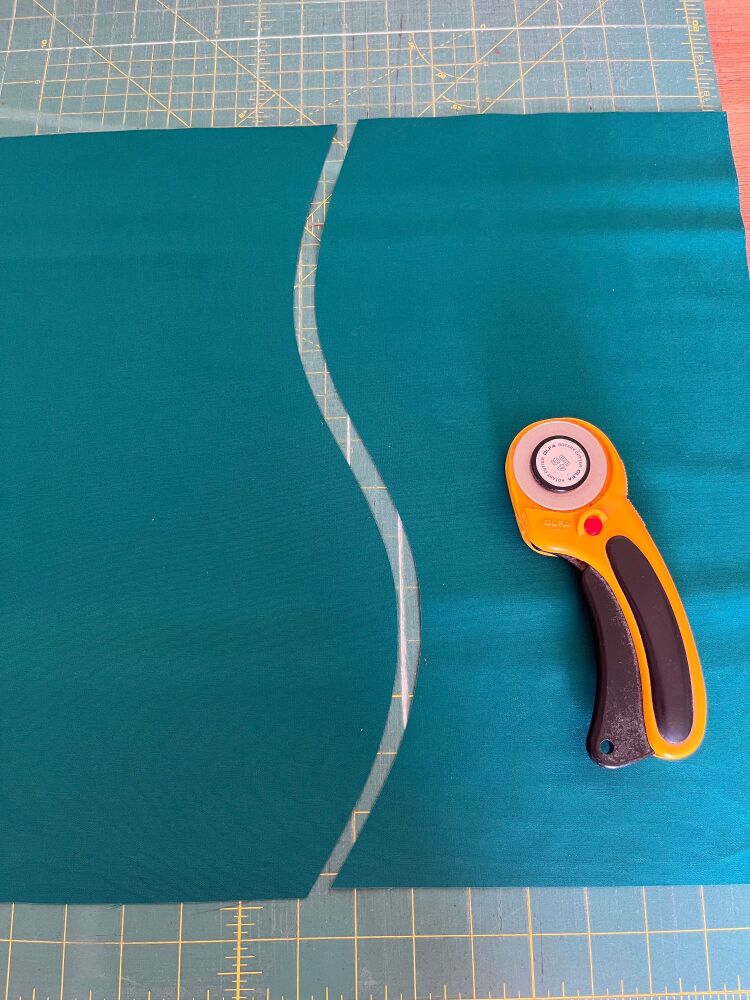
If you have never sewn curves before you'll discover that the fabric needs to be coaxed in order to achieve an even 1/4" seam.
Having sliced the fabric of course you're now going to sew it back together.
Turn the fabric with right sides together. The first thing you'll notice is that the edges of the fabric don't line up (as they would if you were dealing with straight edges). Don't be put off.
If you want you can use pins. I prefer to sew without pins.
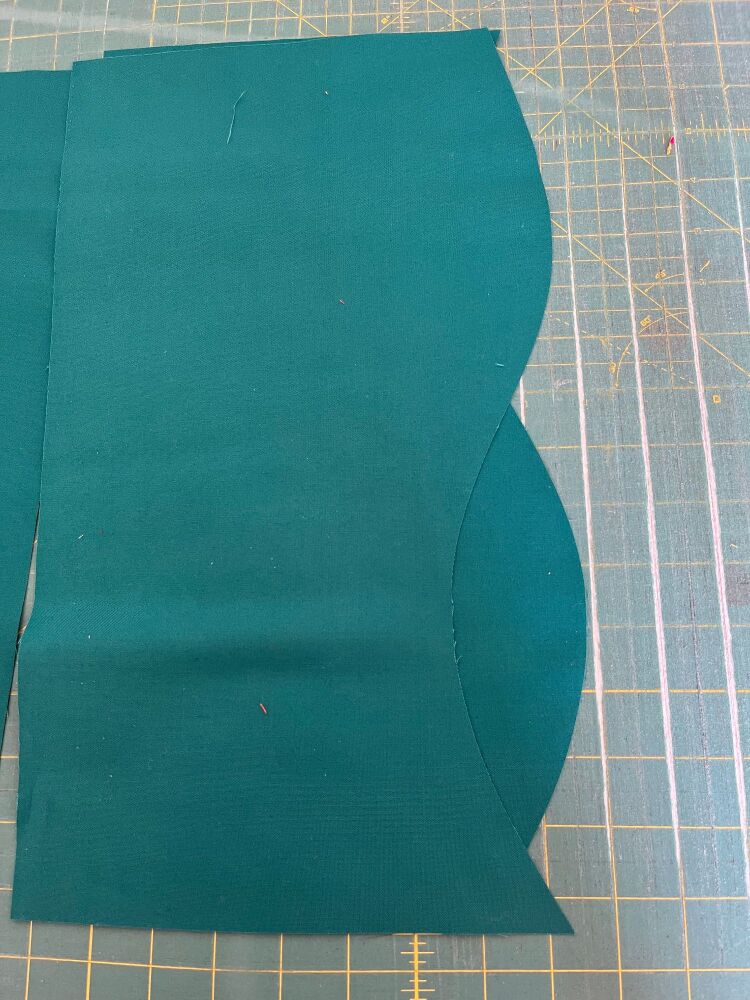
Using 1/4" seam allowance and a long tacking stitch sew the halves back together as described below.
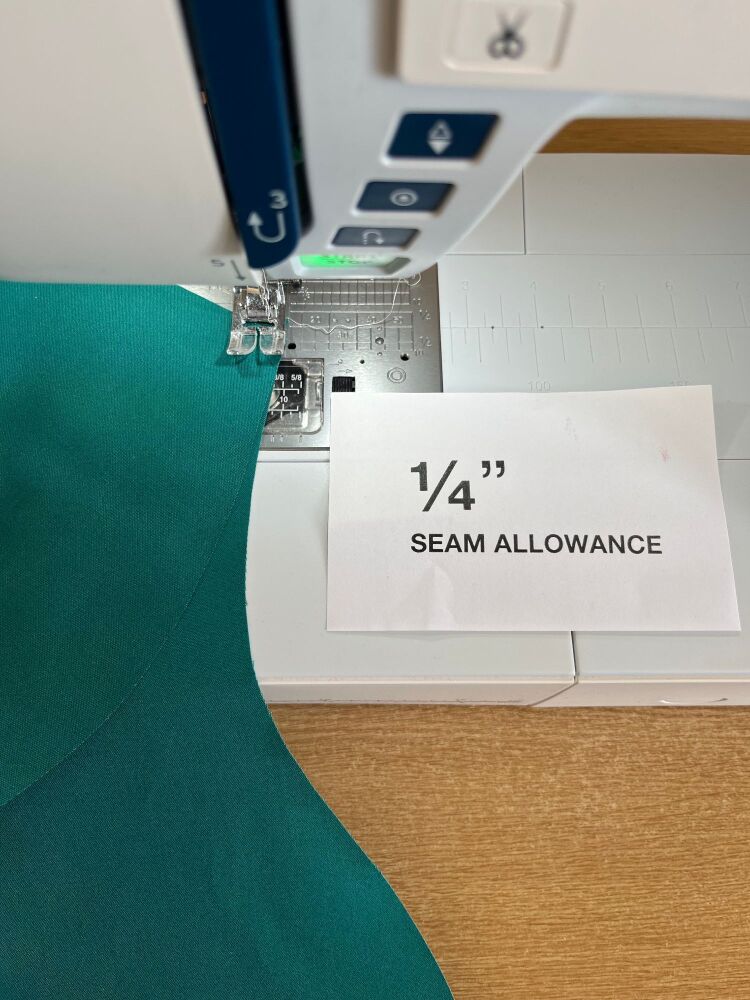
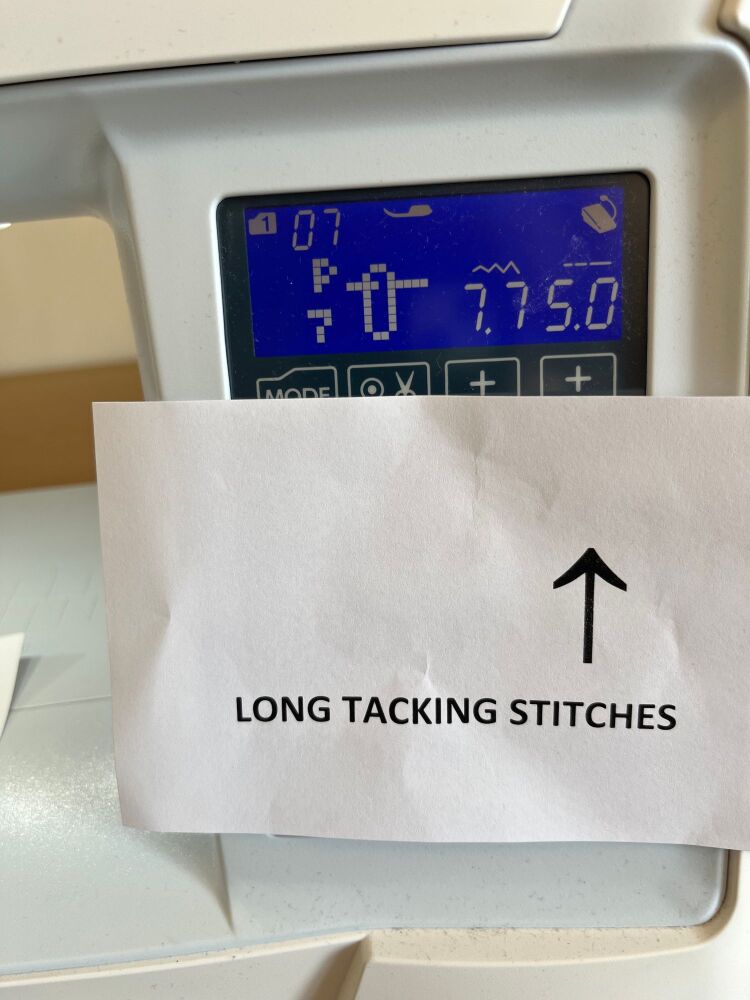
I used white thread for the purpose of this tutorial, so use a matching thread for your block if you want. It may help to use a different colour for the tacking stitches.
As you will discover, the fabric will want to go in opposite directions. To overcome this, you need to manoeuvre both layers so that the edges are flush at all times.
With one hand hold the bottom layer and with your other hand manoeuvre the top layer so that the edges meet.
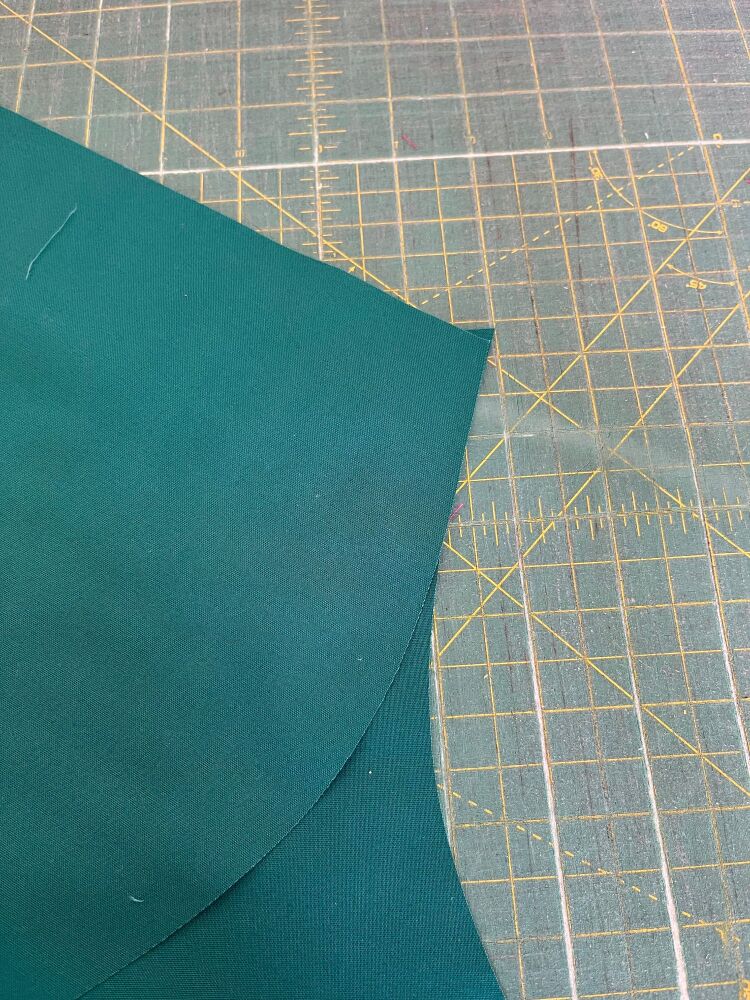
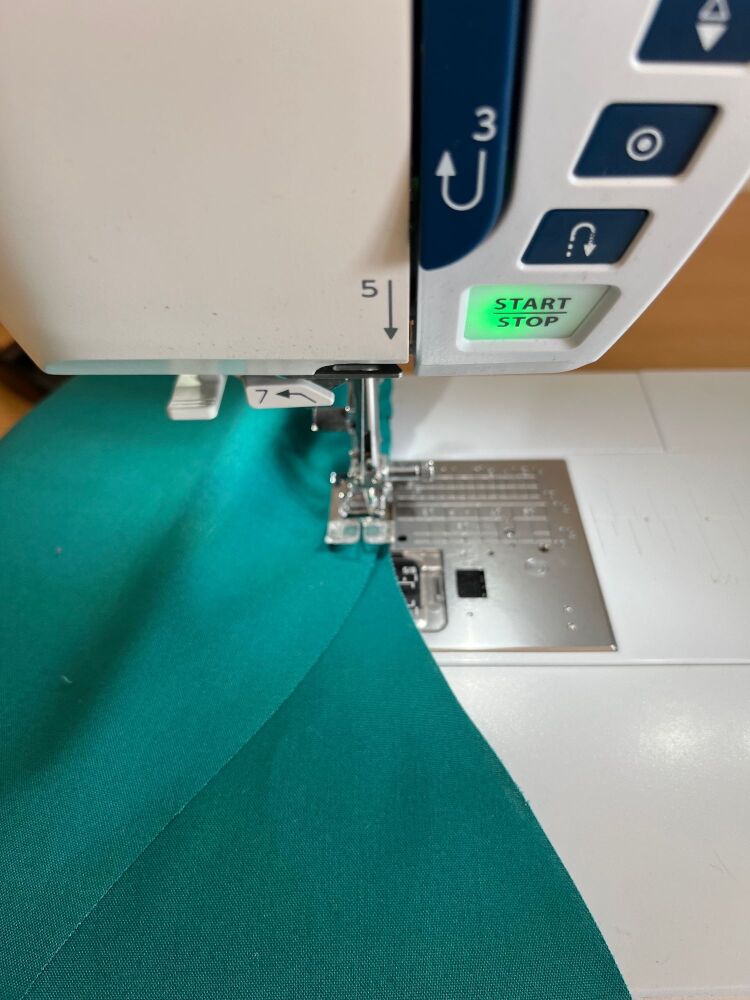
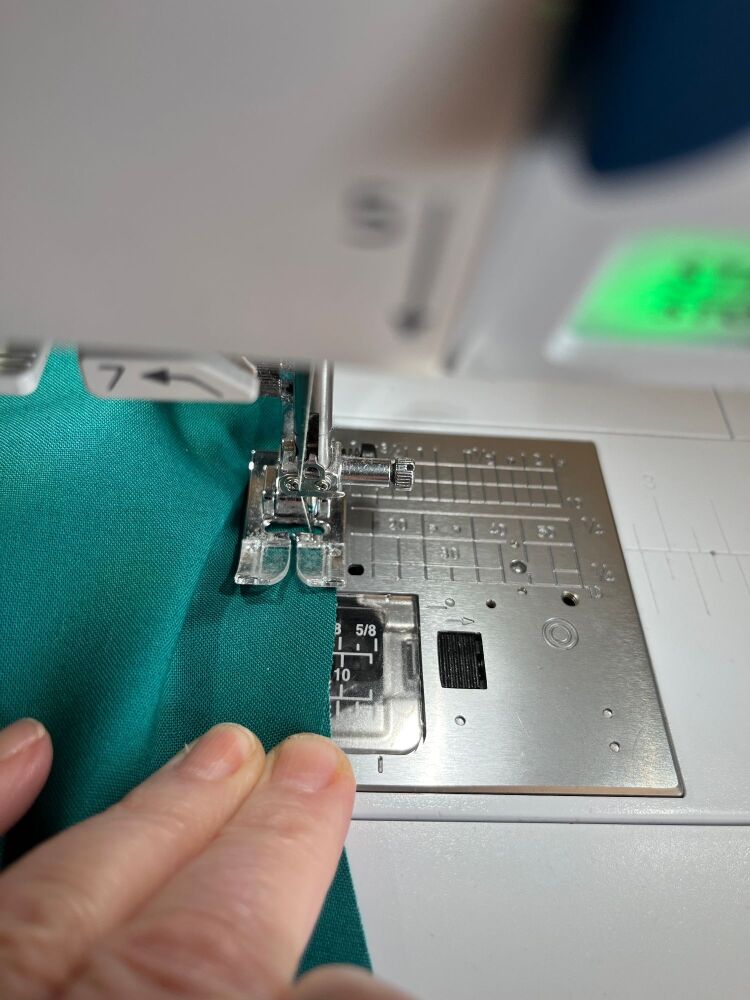
Sew slowly and tease and ease the layers so that they remain on top of one another and don't shift. If possible, when sewing the tacking stitches have the two-inch section of fabric immediately in front of the needle straight and not curving in either direction. This will make sense when you try to do it. You want to be stitching straight rather than on a bend.
Stop periodically (probably every few inches) to readjust the fabric. The needle should always be in the down position when making any adjustments. It pays to take your time so that you don't need to unpick and re-sew a section.
Press the seam flat and then open the seam and press. If you have a wooden clapper, use it to achieve a flatter seam.
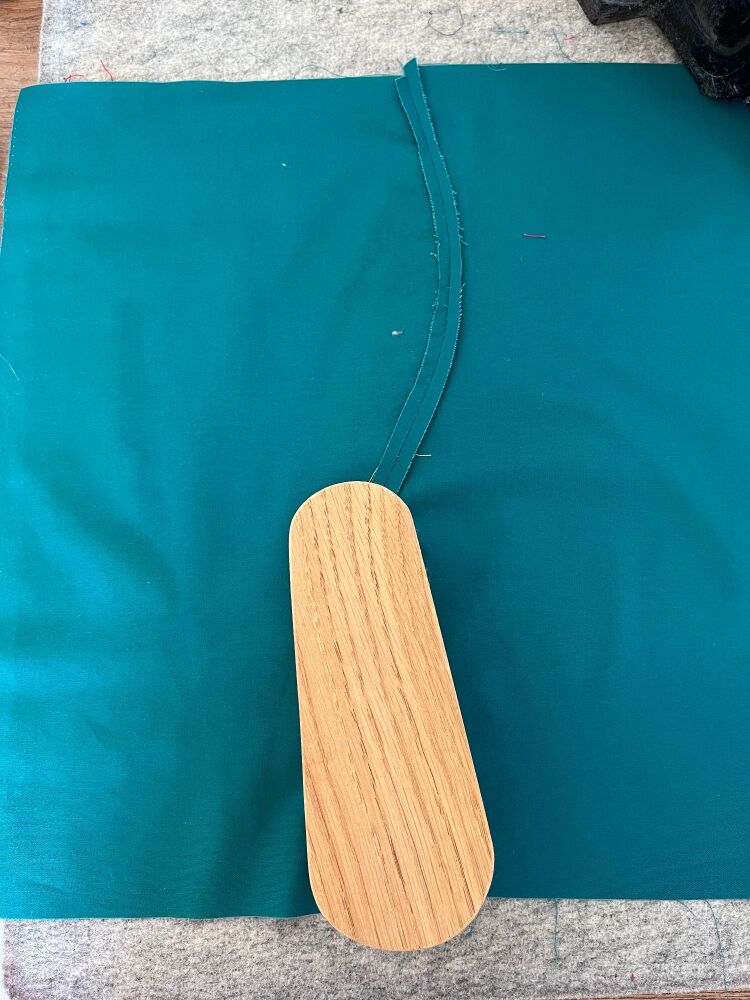
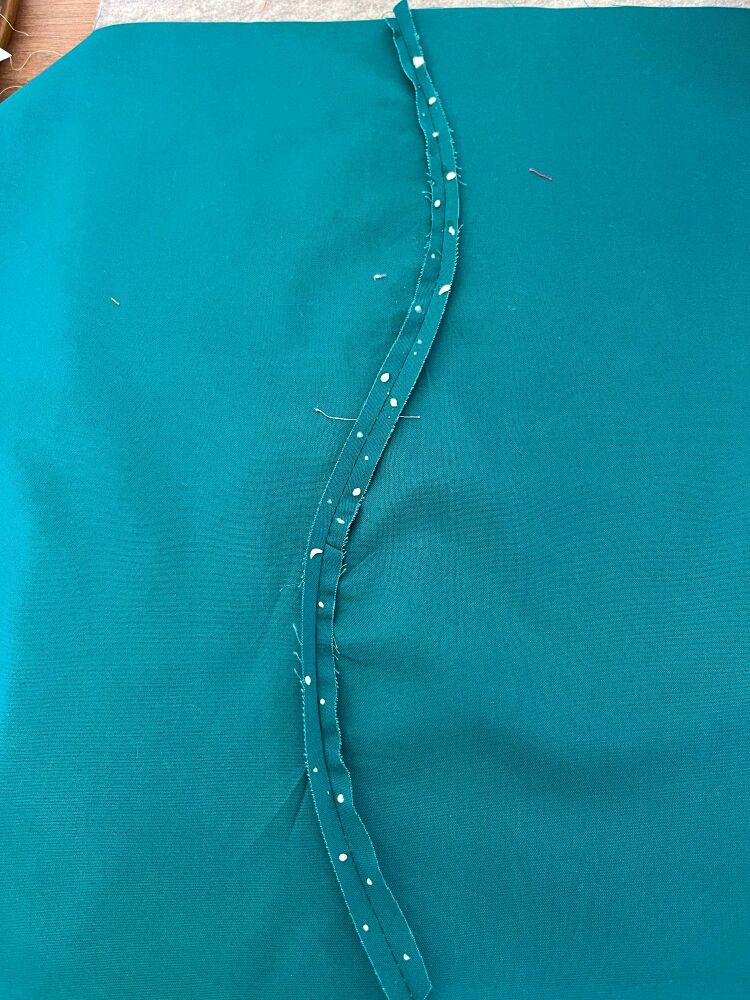
With some fabric glue place dots of glue on each side of the seam. Make sure that you don't glue near the middle of the seam as it may show on the right side, which you don't want.
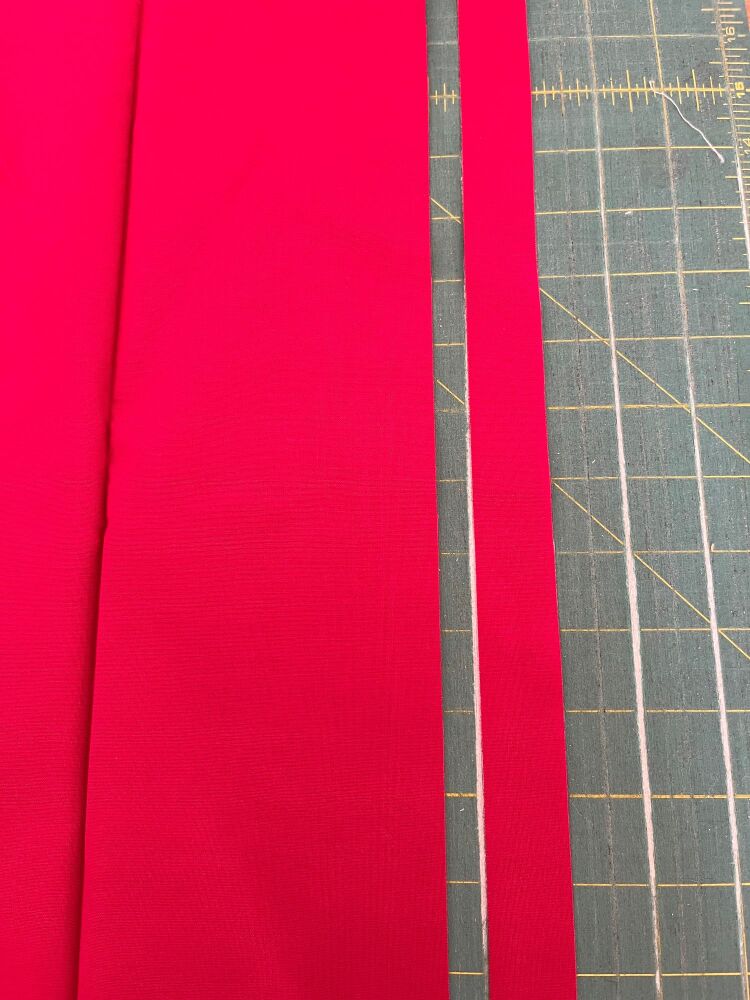
Although you can insert 1" strip cut in the usual way (as it will have enough give), when working with curves it helps to cut the skinny strips on the bias as when done this way the strip is more forgiving. For this tutorial I cut some strips straight and others on the bias.
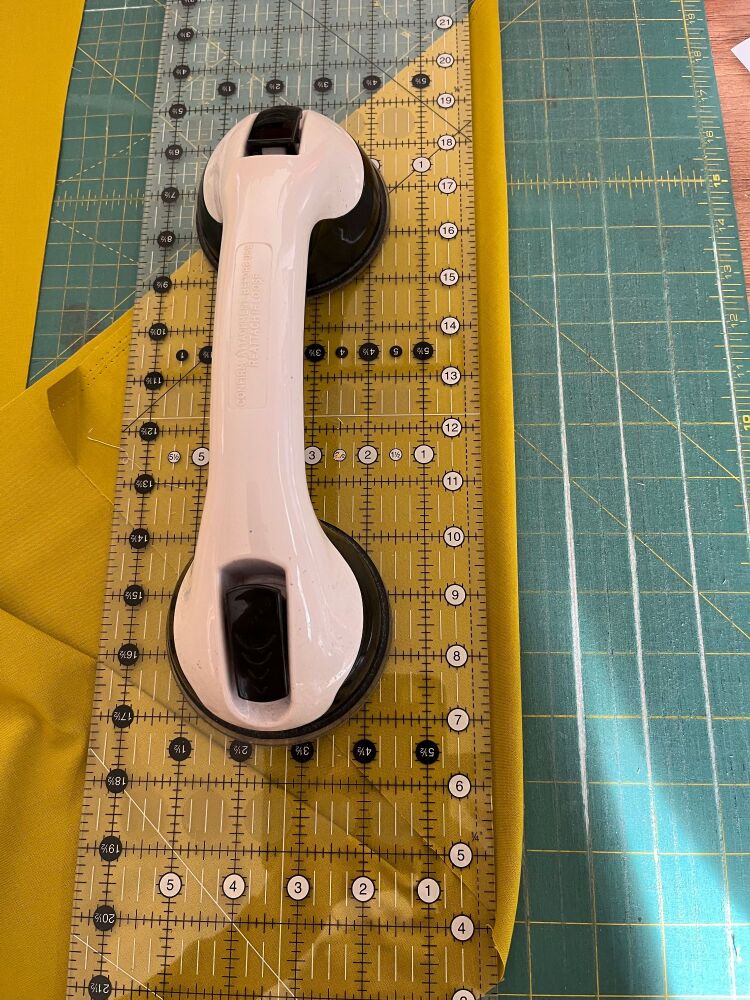
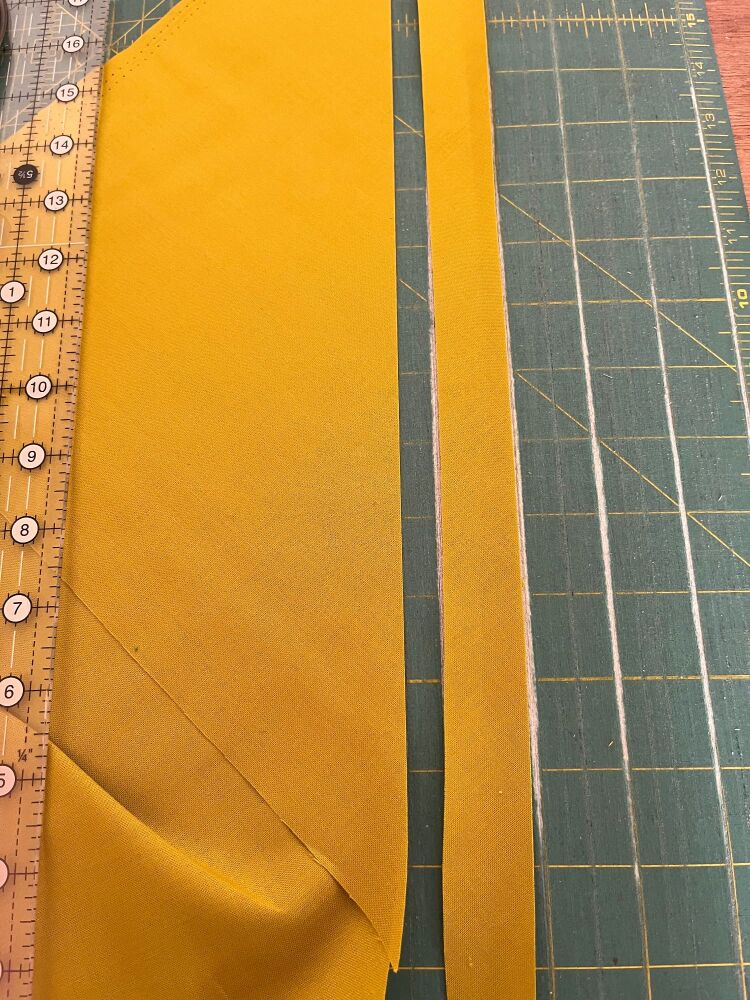
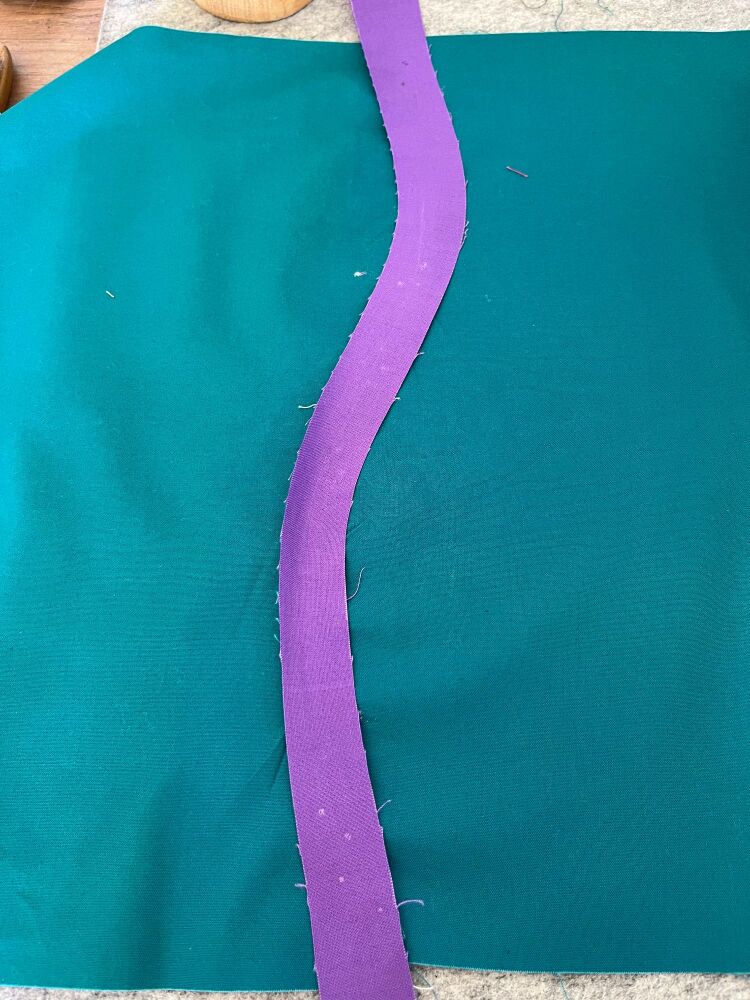
Place the first skinny strip on the open seam so that the centre of the strip matches the centre of the seam. Press to set the glue.
Change to a zipper foot. Your stitches need to be as far over to the left-hand side as possible, with a stitch length of about 2.4 and just to the right of the tacking stitches.
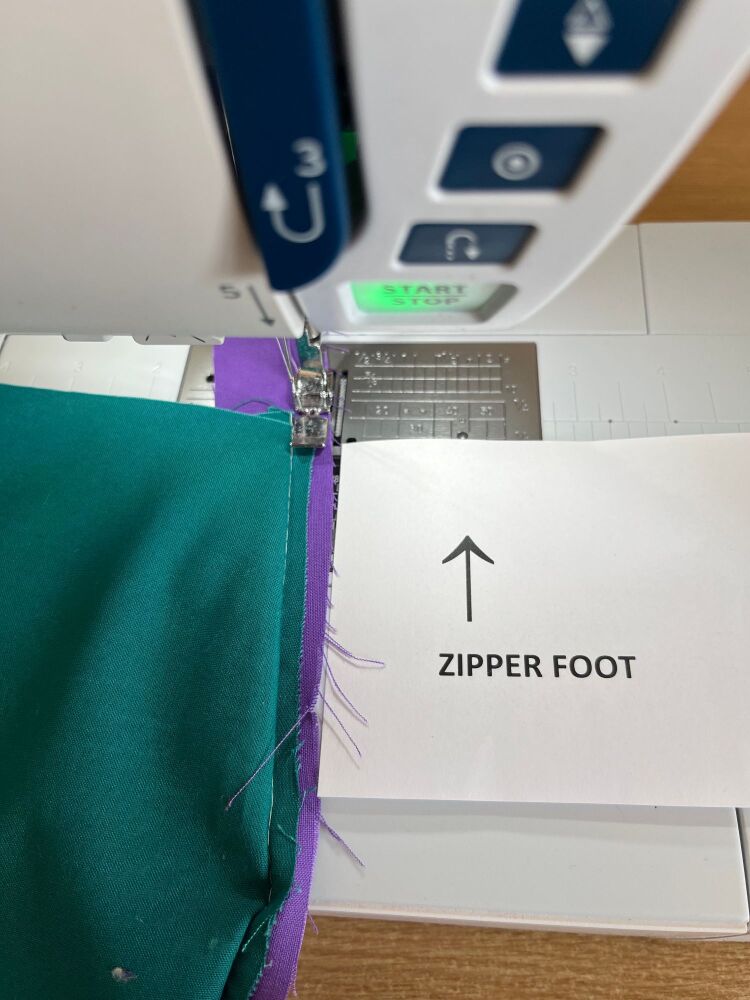
Fold the block so that the skinny strip is facing down and you can see the tacking stitches. Stitch down the length of the block.
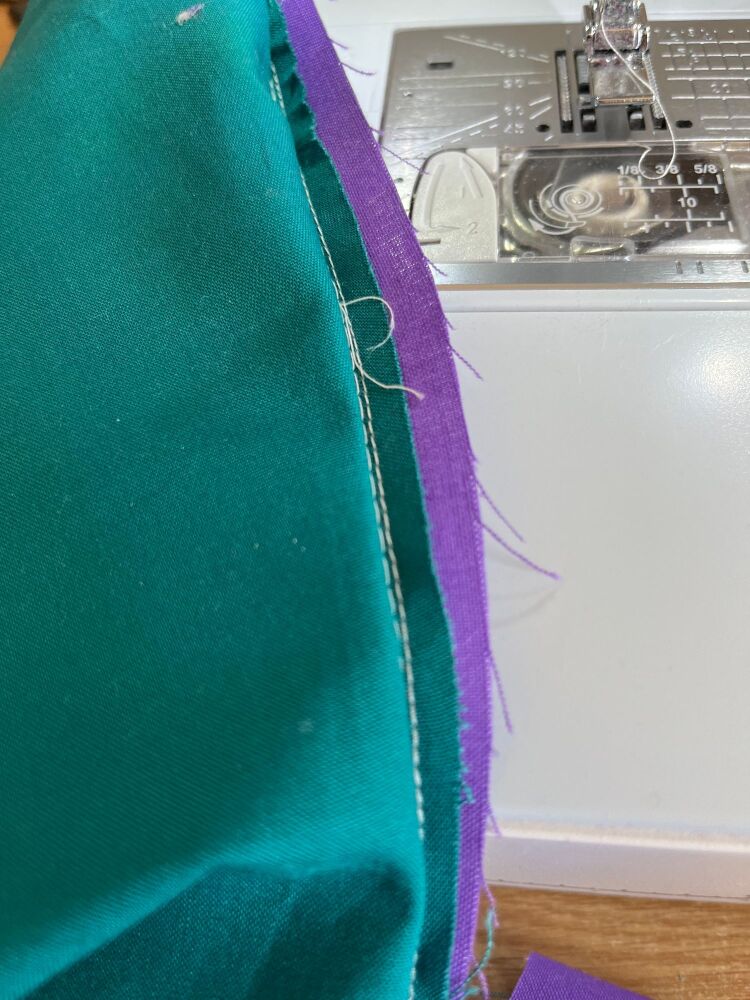
You now need to stitch down the other side so turn the block over, again with the skinny strip facing down. You should be able to see the reverse side of the tacking stitches. Stitch down the length of the block. Check that the two rows of permanent stitches aren't touching. There needs to be a narrow gap between the two rows.
With a seam ripper, remove the tacking stitches.
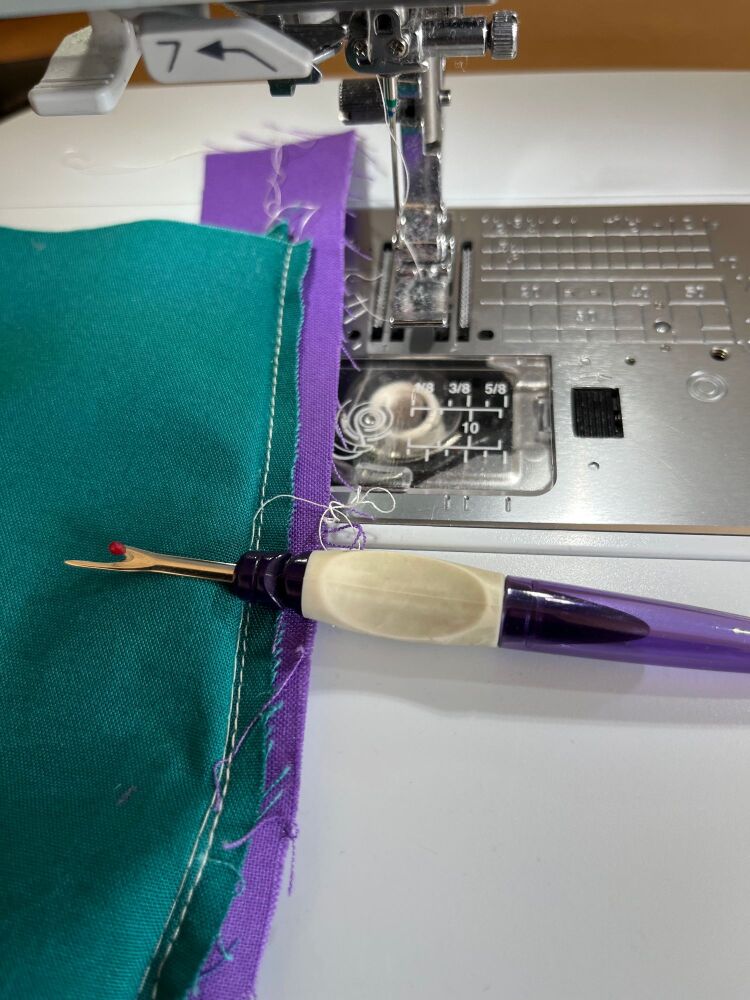
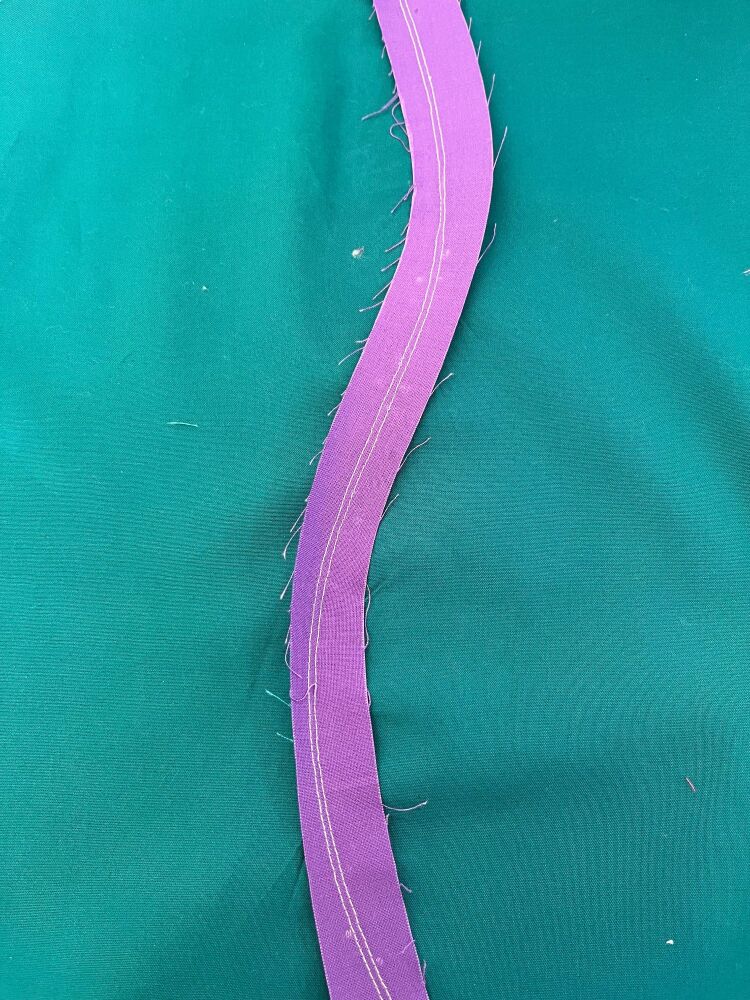
Turn the block over so that the right side is facing upwards and gently tease open the gap.
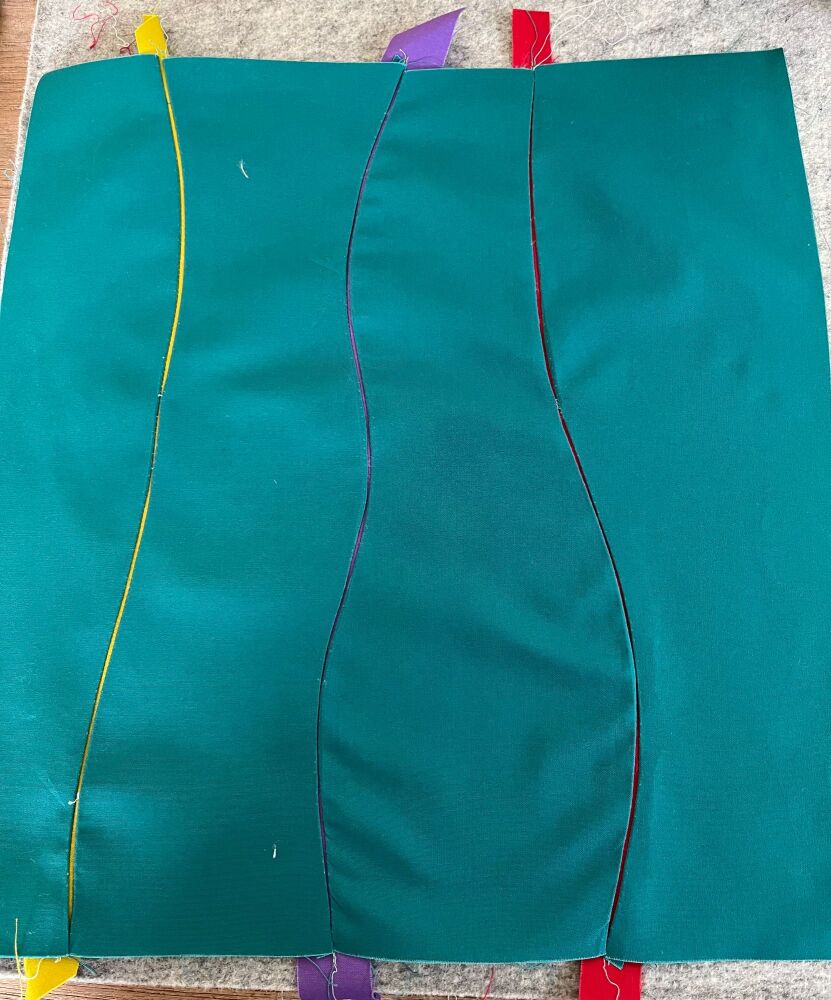
Press the block. Carefully trim the excess fabric as shown in the photos below. When insetting skinny strips into curves, I suggest using scissors to do this as it is very easy to nick the background fabric when using a rotary cutter.
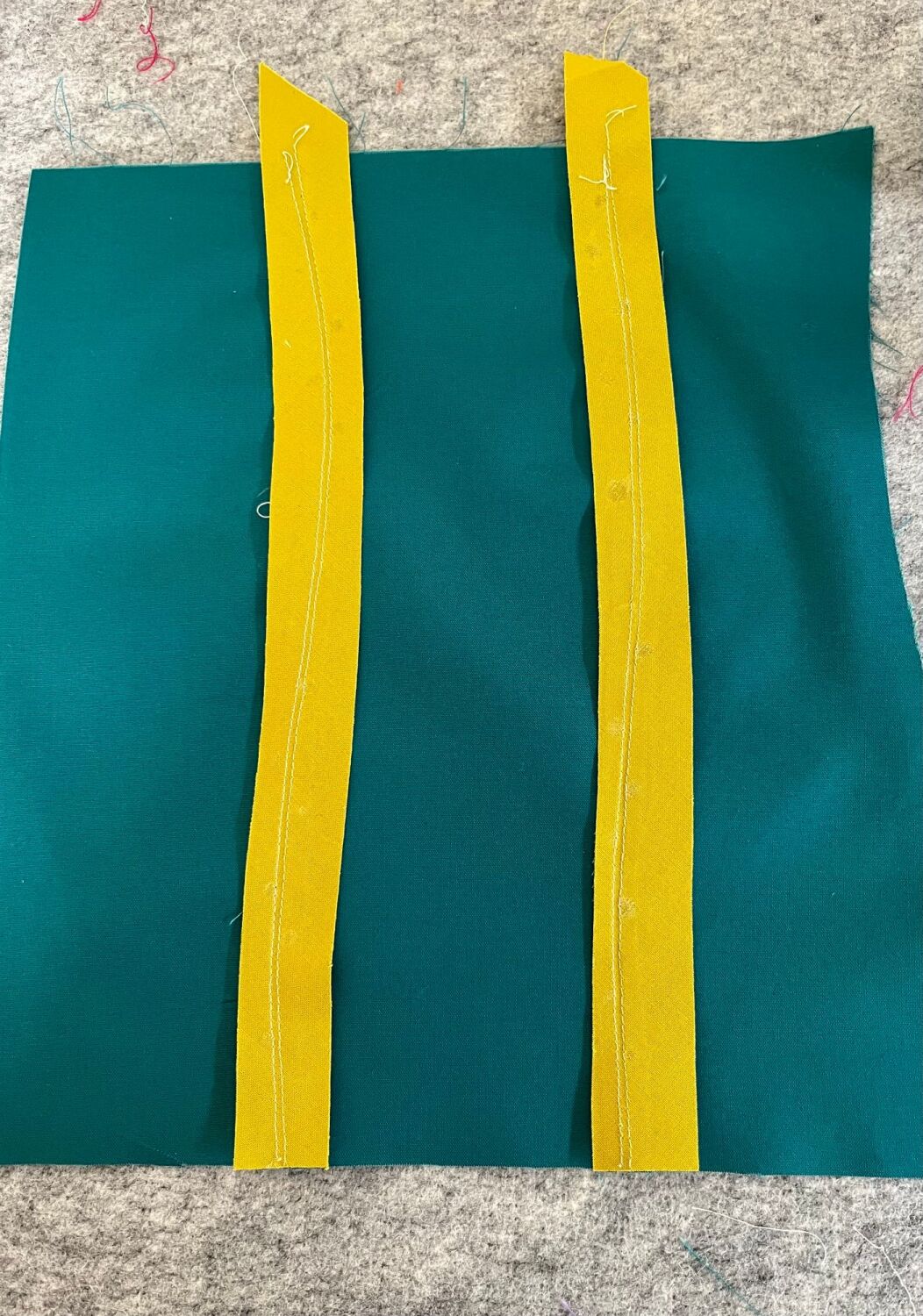
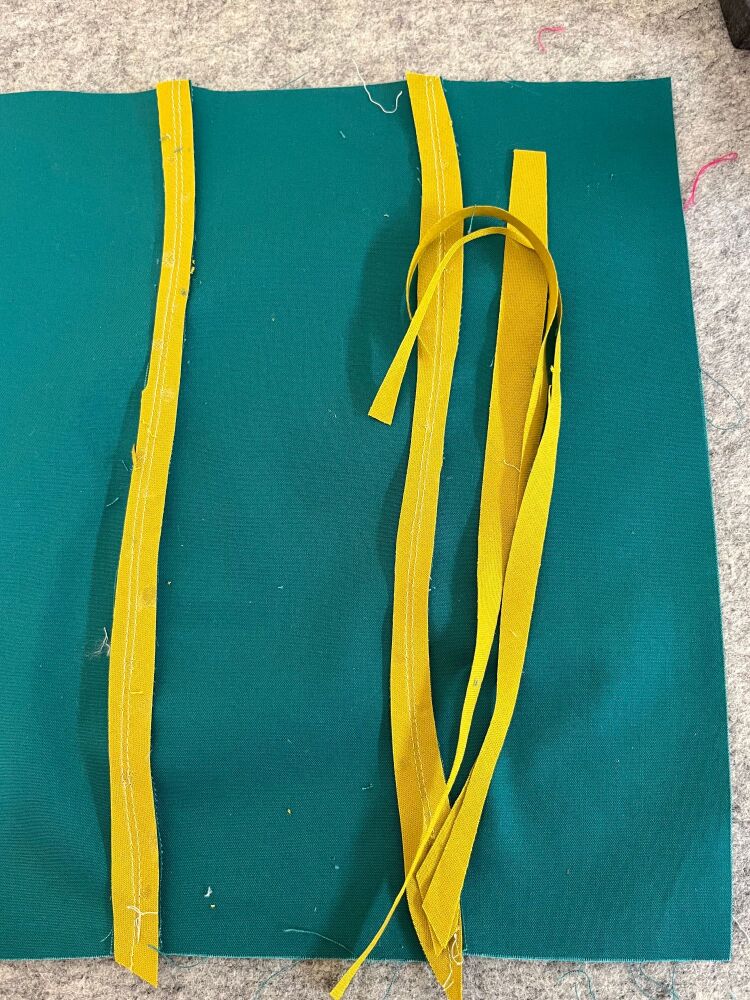
Repeat the above and add further curved skinny strips.
When the curves are acute you may find the fabric 'lifting' a little bit. Any lifting should come out once you have finished your quilting.
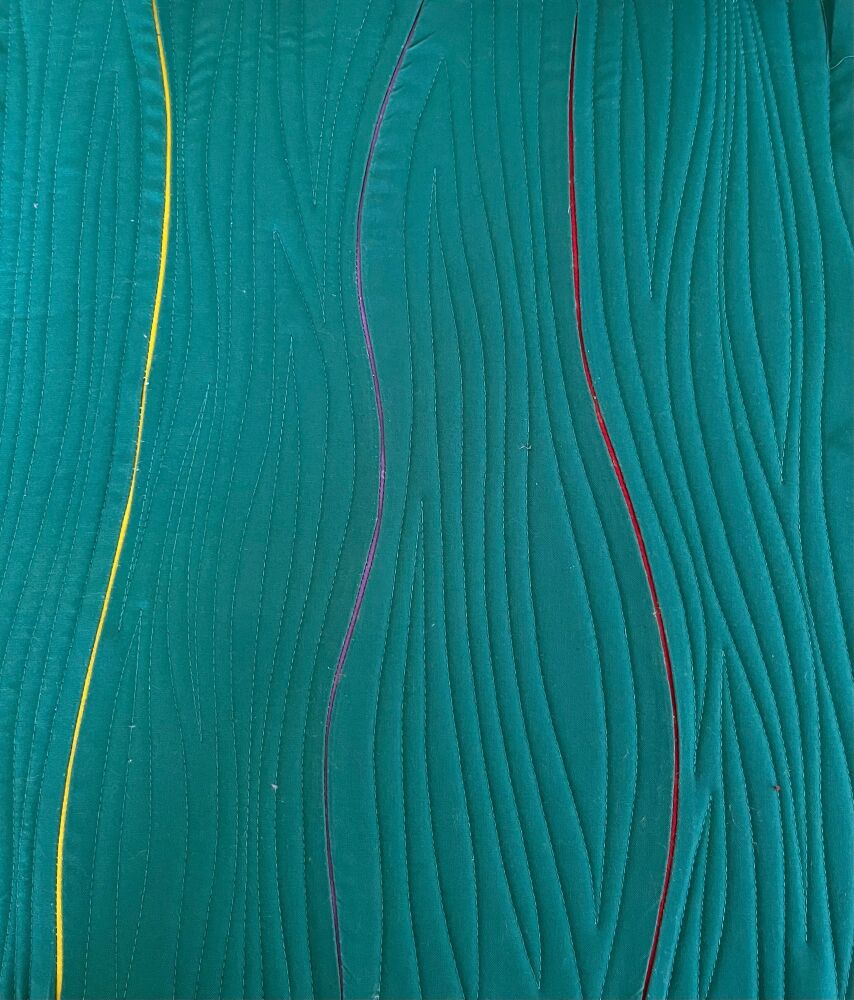
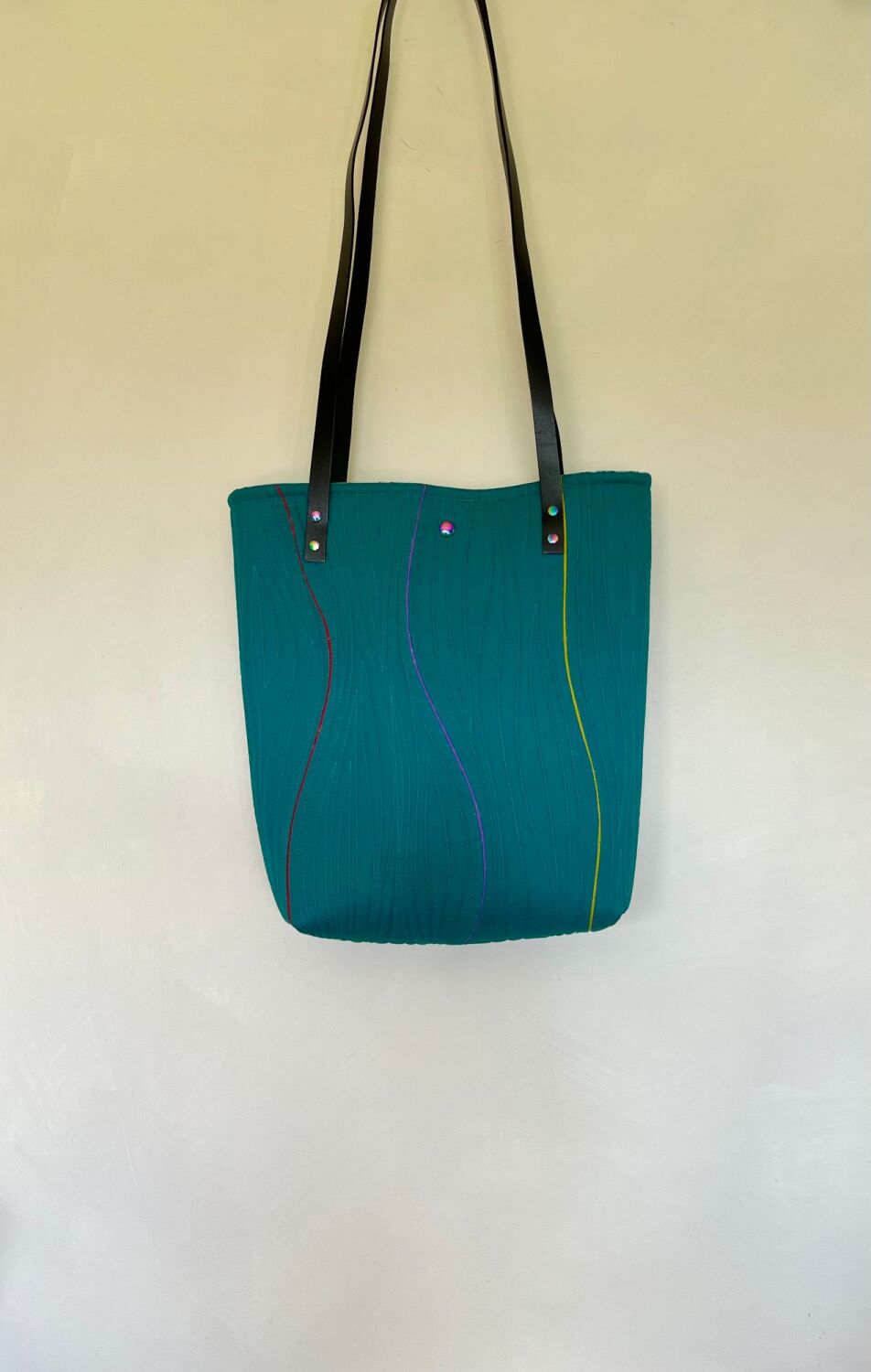
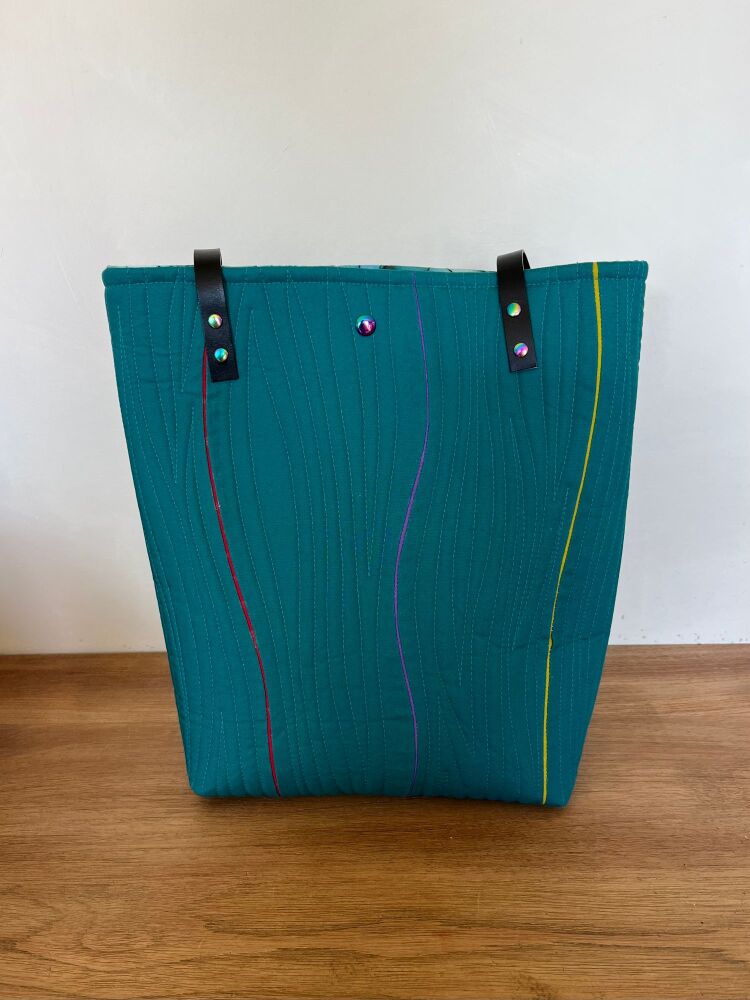
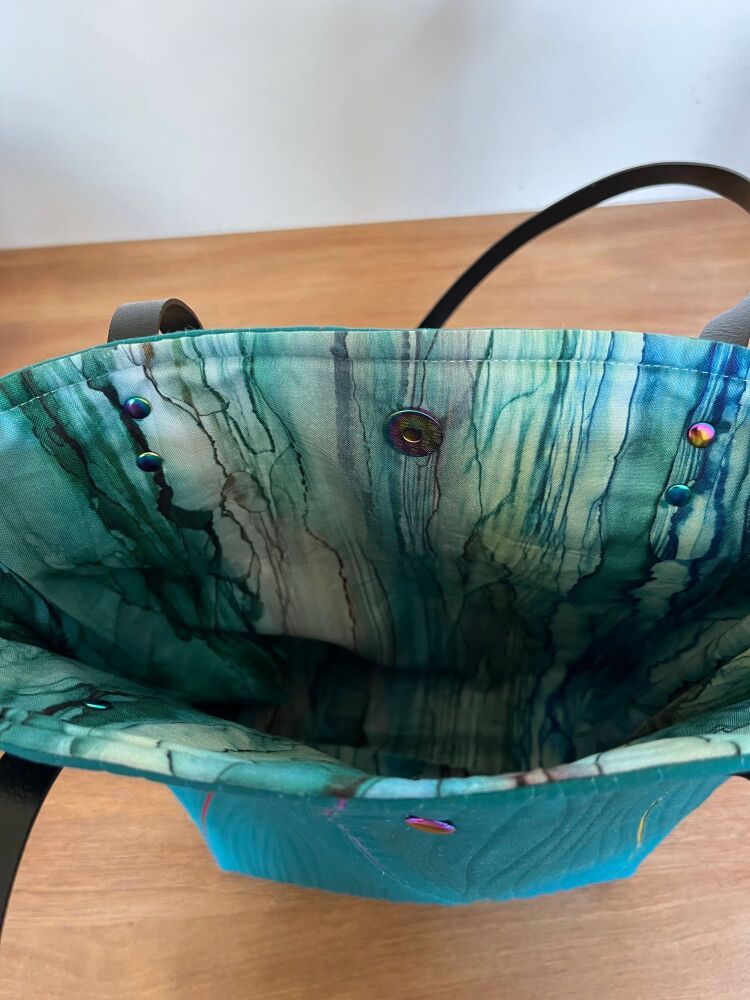
With a couple of the blocks I made for the tutorial I turned them into a tote bag as shown below.
I hope you have found this tutorial useful. If you have any queries just let me know and I'll do my best to answer your quetions.
Add a comment: